

Best Outdoor Luxury Activities for Families
December 19, 2025
Tips for Wearing Mixed Metals Jewelry
December 23, 2025
Table of Contents
- Introduction
- Develop a Professional Website
- Implement Effective SEO Strategies
- Leverage Social Media Platforms
- Create Engaging Content
- Utilize High-Quality Visual Content
- Embrace Video Marketing
- Implement Email Marketing Campaigns
- Manage Online Reputation
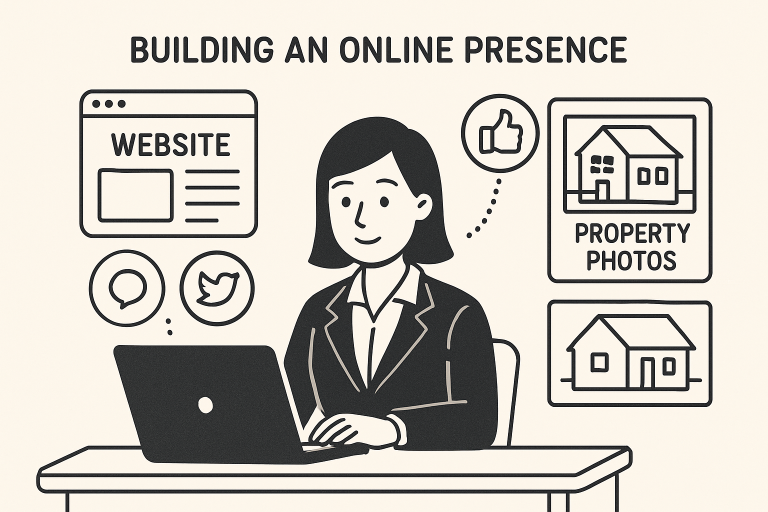
In today’s fast-paced digital environment, a strong online presence has become essential for real estate professionals aiming to connect with prospective buyers and sellers. With more people searching for properties online than ever before, your digital reputation is often a client’s first impression—and that initial perception can make or break a deal. Digital marketing is no longer optional—it’s required to excel in an increasingly competitive industry. The expertise and tailored strategies offered by Paradise Valley AZ real estate experts Hague Luxury Network can help you carve out a distinct niche, set yourself apart from the competition, and efficiently capture the attention of high-quality, motivated clients. Leveraging their experience ensures your approach addresses current trends and industry standards, giving you a critical advantage in today’s online marketplace.
Optimizing your digital footprint is essential for both established and new real estate agents to attract leads and retain clients. A trustworthy, user-friendly digital persona enhances client engagement during the buying or selling process. Key strategies include optimizing websites for easy navigation, creating engaging social media content, and implementing simple improvements, such as adding testimonials. This guide outlines practical methods for transforming your website into a lead generator and utilizing social media to differentiate yourself. Ultimately, well-executed integrated digital marketing can convert casual browsers into loyal clients and brand advocates.
Develop a Professional Website
Your website functions as the hub of your online brand, providing both current and prospective clients with everything they need to know about your expertise. A clean, modern, and intuitive website reassures potential clients that you are a committed professional who takes your career seriously. Ensure your site loads quickly, as slow load times can deter impatient visitors. Being fully mobile-responsive is crucial, as a significant proportion of real estate searches now occur on smartphones or tablets. Use prominent calls to action—such as property search features, contact forms, and online booking for consultations—to convert visitors into leads. Integrate high-quality images, provide in-depth listing details, and display recent sales to boost your credibility.
Additionally, including client testimonials offers social proof and builds trust, encouraging new visitors to explore your services with confidence. An engaging website isn’t static; it’s regularly updated to reflect current listings, client achievements, and evolving best practices. Offering resources like market reports, mortgage calculators, or moving guides will make your website both informative and “sticky,” increasing the likelihood that visitors will return or share your content.
Implement Effective SEO Strategies
Visibility in major search engines, such as Google and Bing, is crucial for driving meaningful traffic to your real estate website. To get started, incorporate relevant location-based keywords throughout your site’s content, focusing on both high-traffic phrases (such as “luxury homes in Paradise Valley”) and more targeted long-tail keywords (like “gated communities near Scottsdale schools”). It’s smart to invest in local SEO by claiming and optimizing your business profile on platforms such as Google Business Profile and Bing Places. These profiles boost your appearance in “near me” searches and allow clients to easily find your hours, location, and reviews. Actively encourage satisfied clients to post reviews—you’ll not only improve your listings’ visibility, but also enhance your business’s reputation. Regularly publishing informative blog posts about local neighborhoods, market trends, and buying or selling tips increases your authority in the eyes of search engines. According to Entrepreneur, well-executed SEO can lead to a dramatic increase in high-intent website traffic, helping you generate more qualified leads and close deals more efficiently.
Leverage Social Media Platforms
Social media platforms provide real estate professionals with a direct and cost-effective channel to build both brand awareness and genuine relationships with prospective clients. With platforms like Instagram and Facebook, you can share stunning property photos, exciting video walkthroughs, agent spotlights, and behind-the-scenes content that connect emotionally with your audience. Consistency matters—posting regularly ensures your brand stays top of mind when buyers or sellers are ready to make a move. Use stories and live video broadcasts to show new listings, open houses, or community events. Encourage audience engagement through interactive polls or Q&A sessions to foster a sense of community and interaction. Meanwhile, LinkedIn is the ideal venue for sharing milestones, networking with industry peers, and demonstrating thought leadership. By responding to comments, direct messages, and reviews in a timely manner, you build trust and establish yourself as a real estate expert clients can rely on throughout the buying or selling process.
Create Engaging Content
Content marketing positions you as an authority in the real estate world and is instrumental in attracting organic traffic to your website over time. A regularly updated blog with helpful articles—like home-buying checklists, insights into the local market, and in-depth neighborhood spotlights—provides immense value to buyers and sellers at every stage of the journey. These pieces not only educate and assist your audience but also provide you with more opportunities to be discovered through online searches. Adding practical guides, such as tips for staging a home or timing a sale to maximize value, demonstrates expertise and fosters long-term trust. Regularly refreshed, evergreen content ensures your site remains relevant and continues to deliver value to clients—even as trends, regulations, and market conditions evolve.
Utilize High-Quality Visual Content
When it comes to buying or selling real estate, visual presentation is everything. High-quality photography sets your listings apart at a glance, instantly grabbing the attention of discerning buyers. Invest in professional photography and virtual tours to ensure your properties are shown in the best possible light—avoid dark, cluttered, or poorly framed images. Consider adding 3D or 360-degree virtual walkthroughs to give buyers a sense of space, flow, and potential before they book an in-person visit. Drone photography and video can be especially powerful for larger homes or unique properties, highlighting locations, lot size, and special features from an angle buyers rarely see. Consistent branding in your visual materials—from watermarks to color schemes—also helps reinforce your professional image across all digital platforms.
Embrace Video Marketing
Video is one of the fastest-growing—and most persuasive—mediums in the real estate industry today. With videos, you can create dynamic property walk-throughs, offer neighborhood tours, conduct live Q&A sessions, and gather video testimonials from satisfied clients. Platforms such as YouTube, TikTok, and Instagram Reels are ideal for distributing this content to a broad and varied audience, allowing you to reach potential buyers who may not be actively searching but are open to inspiration. Authentic, unscripted content can build genuine connections with your viewers, giving prospects a sense of your personality and expertise. You can even use virtual open houses streamed live to answer questions and engage with eager buyers in real time, making the process personal and interactive.
Implement Email Marketing Campaigns
Building and nurturing an email list enables you to maintain ongoing communication with both past clients and new prospects, often at a minimal cost. Segment your list to deliver highly targeted updates tailored to your audience’s specific location, budget, or buying intent. Send regular newsletters that include market news, feature new or exclusive listings, or share helpful homeownership tips that keep your brand relevant between transactions. Automated drip email campaigns can help guide leads through the decision-making process, nurturing them from initial inquiry to closing. Additionally, occasional personalized check-ins or client appreciation emails signal that you value long-term relationships, not just transactions.
Manage Online Reputation
Today, online reviews and client testimonials are more influential than ever for real estate business success. Most buyers and sellers conduct online research before committing to a real estate agent. Proactively requesting feedback from your satisfied clients and displaying their testimonials on your website, business profiles, and social channels can be a game-changer. Positive stories and high ratings build powerful social proof, helping potential clients trust you before they even make their first contact. Regularly monitor your online reputation by keeping an eye on review sites, social media mentions, and local forums. When negative feedback arises—which is sometimes unavoidable—respond promptly, professionally, and with a genuine willingness to resolve any issues. Demonstrating transparency and customer care enhances your standing and can turn an unhappy client into a raving fan. Over time, these strategies will establish you as a credible authority in your market, attracting more qualified leads and building long-lasting trust.
By implementing these strategies with intention and consistency, real estate professionals can not only attract a steady stream of new clients but also nurture long-term relationships and stay ahead of the competition in today’s evolving digital marketplace. Building a robust online presence isn’t about short-term wins—it’s about investing in your brand for sustainable success, long-term growth, and industry leadership.