
The Complete Guide to Email Info Reality-Movement.org Dor
November 20, 2025
Manual Settings HSSGameStick: Full Guide for Customizing Performance and Display
November 22, 2025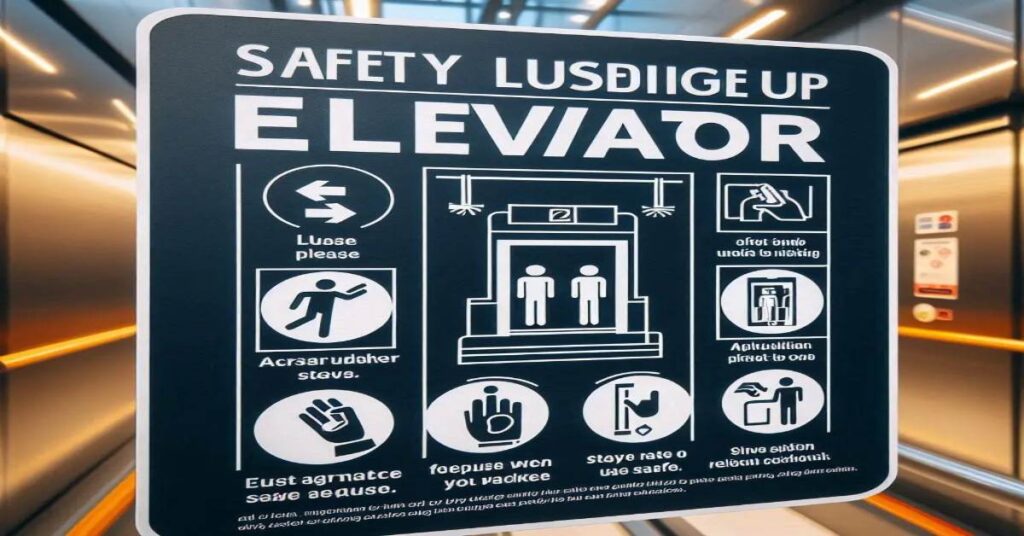
In modern buildings where elevators are essential for daily movement, safety measures must be prioritized to prevent accidents and mechanical failures. One of the most important indicators that ensures passenger safety is the certification notice commonly displayed near or inside elevators. Among these notices, the instruction stating this sign shows when a lift is safe to use plays a critical role in informing users whether a lift has passed inspections and meets operational safety standards. Millions of people use lifts without checking inspection certificates, but safety regulations require that lifts display clear and verified signage confirming their status. The absence of this notice can indicate outdated maintenance, expired safety checks, or mechanical risks that may lead to shutdowns or accidents.
Also Read: email-info-reality-movement-org-dor/
What Does the Sign Actually Mean?
The statement this sign shows when a lift is safe to use refers to an officially approved notice issued by an inspection body, maintenance contractor, or regulatory authority confirming that the lift has been tested and certified. This notice often includes key elements such as date of inspection, next due date, certification authority, load capacity, safety threshold, and emergency restrictions. A common example includes a capacity label stating, “Total mass of people must be 480 kg or less,” which indicates the lift’s maximum safe load. In mathematical safety questions online, this phrase often appears in examples relating to mass calculations, such as determining whether people in the lift exceed 480 kg and whether the lift remains safe after someone exits.
Why Mass Limits Are Included on Safety Signs
Many safety cases reference mass limits because mechanical lift systems rely on balanced counterweights, pulley tension, and hydraulic stability. Overloading increases strain on suspension cables, brakes, and motors. Safety notices ensure users can visually confirm limits before entering. For instance, this sign shows when a lift is safe to use, and may specify that the total mass must remain below 480 kg; if occupants weigh 565 kg, the lift is not considered safe. When someone exits, reducing the weight to 480 kg or less, the lift becomes safe again. This logic appears in many educational questions because it teaches real-world application of mathematics in engineering contexts.
Types of Lift Safety Notices
Different signs serve specific purposes. Certification plates confirm routine inspections and mechanical clearance. Capacity signs show maximum load thresholds. Emergency signs warn users not to operate lifts during fire incidents. Maintenance signs indicate a temporary shutdown due to repairs. Among these, this sign shows when a lift is safe to use, specifically referring to certification that the lift is in normal working condition and not undergoing repair or emergency restrictions. Unlike “Do Not Use Lift in Case of Fire” warnings, it confirms operational clearance rather than hazard warnings.
How Lift Safety Certification Works
Before a lift is declared safe, inspection teams evaluate mechanical strength, cable tension, motor efficiency, emergency brakes, fire circuits, and internal sensors. They test functions such as door alignment, alarm buttons, ventilation, speed control, and emergency power backup. Only after all systems meet regulatory standards is certification issued. At this stage, authorities provide a notice indicating this sign shows when a lift is safe to use, signalling that public use is legally permitted until the expiration date. Buildings without timely re-certification may face penalties, insurance issues, or forced shutdown by municipal departments.
Also Read: tsunaihaiya/
Where Safety Signs Are Displayed
Certification signs must be placed at visible locations to benefit both users and inspection teams. Common placement areas include the lift cabin control panel, next to door frames, maintenance records, and main entrance call buttons. A missing notice signals either an expired inspection or incomplete servicing. When this sign shows that a lift is safe to use is properly displayed, passengers know the system is not under repair or overloaded beyond specifications. Hidden or removed signs are considered compliance violations in regulated buildings.
Common Indicators a Lift Is Not Safe
Even if signs are present, mechanical symptoms may indicate developing faults. Warning signs include unusual shaking, loud grinding noises, delayed doors, sudden jerks, repeated shutdowns, and difficulty returning to default floors. Flickering control lights or malfunctioning alarms can suggest electrical instability. If any of these issues occur alongside missing certification notices, the lift should not be used. Passengers should check whether this sign shows when a lift is safe to use, is current and clearly visible before entering. Proactive checks help prevent entrapment and emergency rescue situations.
Why Building Owners Must Keep Signs Updated
Facility owners have a legal responsibility to maintain lifts and ensure visible safety labels. Updating inspection dates prevents liability issues and enhances public trust. Insurance companies may reject damage claims if records show an expired inspection status. Courts may treat accidents as negligence if lifts are operated without certification. Proper visibility of notices like this sign shows when a lift is safe to use, shows compliance with legal guidelines, and signals accountability in property management. Owners must schedule preventive maintenance, maintain digital service logs, and hire authorized engineers rather than unlicensed workers.
Digital and Modern Alternatives to Printed Signs
With the rise of smart building technology, safety signs are evolving. Instead of static stickers, digital QR badges may allow users to scan inspection history. Smart sensors monitor vibrations, wear levels, braking power, and cable stress automatically. The future may use electronic signage that updates instantly when technicians clear faults. However, the core concept remains the same: this sign shows when a lift is safe to use, whether physical or digital, and must communicate safety clearance clearly and reliably. Technology enhances transparency rather than replacing regulatory logic.
How to Verify If a Lift Is Safe Right Now
Passengers can follow simple steps: check visible certification plates, verify dates of last inspection, review maximum load, look for red “Do Not Use” notices, observe operational behaviour, and report missing signs. If the notice reads this sign shows when a lift is safe to use, confirm that the details match the building’s maintenance schedule. Avoid entering lifts with tampered or faded signs. Safety is achieved not by blind trust but informed awareness.
Conclusion
Lift safety affects thousands of buildings globally, from residential complexes to industrial warehouses. Certification signs validate that systems have passed maintenance tests and meet legal operational standards. The phrase this sign shows when a lift is safe to use represents more than a sticker—it is a public assurance of structural security, proper load handling, and emergency readiness. Users must always verify inspection validity before entering a lift, while building owners must maintain visible, updated certifications to protect occupants and uphold compliance laws. Ultimately, safety signs transform routine elevator use into a regulated, confidence-driven experience where everyone benefits from awareness and responsible maintenance practices.