
PG Soft Juara100.org Medal: Complete 2025
December 12, 2025
Riahsobadd_: The Rising Lifestyle Influencer Redefining Digital Creativity
December 18, 2025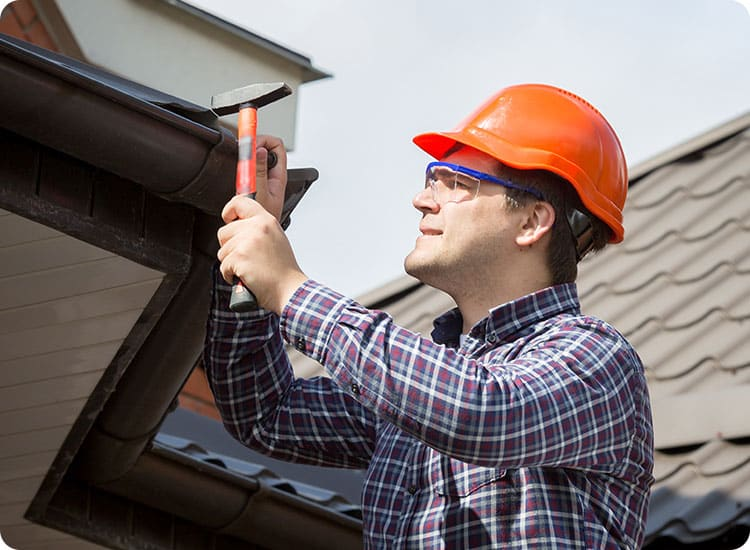
Table of Contents
- Introduction
- Embrace Preventive Maintenance
- Leverage Smart Home Technology
- Budget for Unexpected Repairs
- Seek Professional Assistance
- Adopt Sustainable Practices
- Utilize AI for Maintenance Guidance
- Plan for Aging in Place
- Stay Informed and Educated
- Conclusion
Introduction
Maintaining a home can be daunting, but with the right strategies and tools, it becomes manageable and even enjoyable. As homes become increasingly complex due to technological advances and environmental requirements, homeowners are seeking practical, sustainable ways to protect their most significant investment. The good news is that practical solutions exist for everyone, regardless of their experience level.
Regular upkeep of key systems like HVAC, plumbing, and electrical is essential to prevent costly repairs and maintain comfort and safety. Installing a new water heater, for example, requires careful handling of plumbing and electrical connections, as mistakes can lead to leaks, water damage, or even serious safety hazards. Proper planning and professional assistance make all the difference in ensuring reliable, long-lasting results.
For homeowners in the Denver Metro area seeking comprehensive support, All in One Home Services is a trusted provider offering expert HVAC, plumbing, and electrical solutions. Their website provides detailed information about their full range of services, from routine maintenance to emergency repairs, making it easy for homeowners to find exactly what they need. With years of experience and a skilled team, All in One Home Services ensures every project is completed safely, efficiently, and to the highest standards, helping homeowners protect their investment and enjoy peace of mind.
1. Embrace Preventive Maintenance
Regular upkeep is crucial to prevent minor issues from escalating into costly repairs. Home maintenance shouldn’t just be a reaction to things breaking down—it’s most effective when it’s proactive. Establish a consistent maintenance schedule that covers essential tasks, such as cleaning out gutters each season, inspecting the roof for damage after storms, changing air filters in heating and cooling systems, and flushing the water heater annually. These simple actions can prevent the slow buildup of problems that turn into emergencies. Nearly 81% of homeowners experienced a home repair emergency in the past year, highlighting the importance of proactive maintenance. Preventive care not only protects your investment but also provides peace of mind, knowing you’re less likely to face unexpected breakdowns.
2. Leverage Smart Home Technology
Integrating smart devices can simplify maintenance tasks and add an extra layer of protection to your home. For example, smart sensors in basements or under sinks can detect water leaks before they cause significant damage, and can even notify you via your smartphone. AI-powered thermostats learn your daily routines to optimize heating and cooling, saving on energy bills and reducing wear on HVAC systems. Home security systems have also become more advanced, allowing you to monitor your property remotely and receive instant alerts about potential issues. These technologies not only enhance convenience but also deliver significant cost savings by preventing minor problems from escalating and helping you run your home more efficiently.
3. Budget for Unexpected Repairs
Financial preparedness is essential for responsible homeownership. While regular maintenance can reduce emergencies, unexpected repairs can still happen at any time. Approximately 25% of homeowners have set aside $500 or less for emergency repairs, leaving them vulnerable to unexpected costs that can strain monthly budgets. Establishing a dedicated emergency fund—separate from daily savings—specifically for home issues, creates a financial cushion when urgent repairs arise. Experts recommend saving at least 1-3% of your home’s value each year for maintenance and repairs. Keeping this fund replenished can alleviate stress and ensure that you don’t need to delay critical repairs or rely on high-interest loans during emergencies.
4. Seek Professional Assistance
While simple DIY repairs can be satisfying and cost-effective, some home maintenance tasks are best left to licensed professionals, especially those involving electrical work, complicated plumbing, or gas lines. Identifying trustworthy, skilled experts is crucial—yet it’s also challenging, with about 65% of homeowners reporting difficulty finding reputable help. Using reputable services such as those provided by established local companies ensures each job is completed safely and to code. They can also provide an objective assessment of your home’s systems, helping you spot problems before they become a crisis. Thorough research, checking references, and asking neighbors for recommendations can help you build a list of go-to professionals. Utilizing reputable services ensures quality work and peace of mind, protecting both your home and your family.
5. Adopt Sustainable Practices
Incorporating eco-friendly solutions into home maintenance can benefit both the environment and your wallet in the long run. Upgrading to energy-efficient appliances—like dishwashers, washing machines, and HVAC systems—can dramatically reduce energy and water consumption. Solar panels are increasingly affordable, offering homeowners a way to generate their own power and potentially even sell surplus energy back to the grid. Choosing sustainable building materials for repairs and updates, such as recycled insulation or bamboo flooring, further minimizes your ecological footprint. These investments not only shave dollars off your utility bills but can also increase your home’s property value and appeal to environmentally conscious buyers in the future.
6. Utilize AI for Maintenance Guidance
Artificial intelligence is transforming home maintenance by providing tailored insights for every property. Several home management apps now offer AI-powered features that can analyze your home’s specifications and generate custom maintenance schedules or provide troubleshooting tips for common issues. Homeowners who followed AI guidance reported an average 47% reduction in repair costs, thanks to more timely intervention and the prevention of damage escalation. However, it’s essential to verify significant recommendations with a qualified professional—especially for issues involving safety, structural elements, or expensive equipment. Combining AI suggestions with expert input is the safest way to ensure optimal results and peace of mind.
7. Plan for Aging in Place
As homeowners age, adapting the home to meet changing mobility and accessibility needs becomes increasingly important. Simple modifications, such as installing grab bars in bathrooms, adding shower seats, and using non-slip flooring, can make daily routines safer and easier. Improving lighting—by adding brighter, energy-efficient LED bulbs and night lights in hallways—reduces fall risks and makes navigation more comfortable. Even minor adjustments, such as lowering shelves or widening doorways, can help residents stay independent longer. Planning for these changes ensures your home remains comfortable and livable through all life stages.
8. Stay Informed and Educated
Keeping abreast of the latest home maintenance trends and technologies empowers homeowners to make informed decisions and avoid costly mistakes. There are countless resources available, including home improvement blogs, online tutorials, local workshops, and consultations with experts. Subscribing to reputable home maintenance newsletters or joining social media groups devoted to home care can connect you with valuable tips and a supportive community. Taking the time to learn about new products, innovations, and best practices makes it easier to spot opportunities for improvement and troubleshoot issues quickly.
Conclusion
Effective home maintenance is a blend of proactive planning, embracing technology, financial preparedness, and seeking professional help when necessary. By implementing these simple solutions, homeowners can ensure their homes remain safe, efficient, and comfortable for years to come. A combination of ongoing education, sustainable choices, and the use of modern tools will help any homeowner confidently meet the challenges of maintaining their most important asset—creating a happy, healthy living environment for the whole family.