

The Relationship Between Parking Availability and City Development
December 31, 2025
How to Compare Dental Insurance Plans for Your Employees
January 11, 2026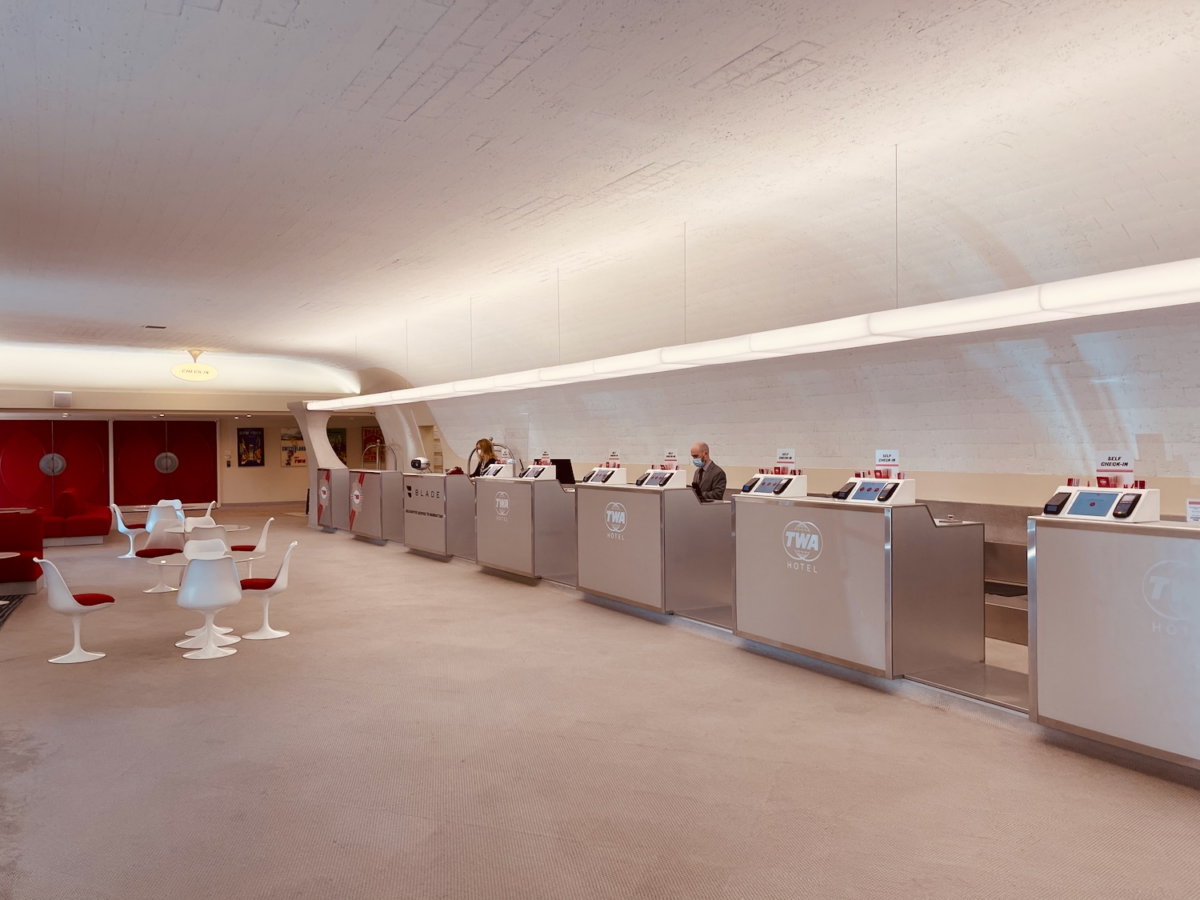
Key Takeaways
- Space optimization is crucial in modern hotel design, as it directly impacts both guest satisfaction and staff efficiency.
- Multifunctional spaces enable hotels to cater to diverse guest needs while maximizing the utilization of every square foot.
- Smart back-of-house layouts enhance workflow, minimize staff fatigue, and facilitate faster, higher-quality service.
- Integrated technology and automation enhance personalization, operational efficiency, and sustainability.
- Successful hotel design strikes a balance between aesthetics, durability, and functionality to ensure long-term value.
- Seamless indoor-outdoor transitions expand usable areas and elevate the overall guest experience.
- Wellness-focused design elements contribute to healthier environments and strongly influence booking decisions.
Introduction
Space optimization is a defining principle in contemporary hotel design, shaping not only a guest’s experience but also the operational flow for staff. The modern hospitality environment is increasingly competitive, and making the most of available square footage is not just an option but a necessity. Today’s hotels must provide comfort, flexibility, and innovation for travelers while supporting seamless service and maintenance activities behind the scenes. Whether accommodating a business delegation, a family on vacation, or solo travelers, efficient design is key to satisfaction. The expertise of hotel architects has never been more crucial to transform spatial challenges into opportunities for enhanced hospitality and productivity, making each area work harder for everyone who uses it.
For many travelers, the modern hotel is more than just a temporary stay; it’s a blend of personalized comfort, convenient amenities, and engaging communal zones that cater to evolving lifestyles. Today’s guests often expect a hotel to offer spaces where they can work, relax, socialize, dine, and even exercise, all within one carefully designed property. As guests’ needs evolve, so does the architectural response, resulting in spaces that deliver both aesthetic appeal and the practical features required for exceptional stays. Hoteliers are placing a premium on agility and multi-use areas, resulting in innovative new design strategies across both luxury and budget segments.
Designing Multifunctional Spaces
Responding to the diverse needs of travelers, hotel architects create adaptive zones that serve multiple purposes throughout the day. A single space may act as a dining area in the morning, a co-working lounge in the afternoon, and an entertainment venue at night. Lobbies with modular seating and workstations double as social hubs and informal meeting spaces, reflecting the growing trend of blended business and leisure travel. These versatile environments feature furniture that can be easily rearranged, screens for optional privacy, and integrated technology that supports everything from presentations to evening events. By moving away from rigid definitions of space, hotels gain the flexibility to attract a broader clientele and maximize usage at all times. Staff also benefit, since transformations can occur rapidly without requiring heavy labor or major setup changes. According to Architectural Digest, hotels that successfully implement multifunctional layouts see not only higher guest engagement but also increased overall satisfaction, as guests can interact with the hotel in ways that best suit their individual needs and schedules.
Enhancing Staff Efficiency Through Smart Design
The unsung heroes of seamless service are the carefully arranged back-of-house spaces, which enable staff to perform their jobs efficiently and minimize the time spent away from guest areas. Thoughtful design ensures that staff pathways are direct, storage areas are optimized for easy access and safety, and operational facilities, such as kitchens, laundry, and loading docks, are strategically placed close to service areas but discreetly separated to minimize guest disruption. Streamlined layouts minimize unnecessary movement, fatigue, and delays, which not only boosts staff productivity but also enables a swift response to guest needs or last-minute changes. Modern design trends also highlight a degree of transparency between guest-facing and staff-only areas, achieved through clever architectural details—such as opaque windows into the kitchen or open shelving—that offer both utility and safety while maintaining aesthetic boundaries. This level of consideration enables improved workflow, reduced downtime, lower employee turnover, and ultimately, better service delivery.
Integrating Technology and Automation
Advanced technology is seamlessly merging with hotel architecture to offer spatial efficiency, safety, and convenience for both guests and employees. Today’s hotels are incorporating smart room controls that allow guests to personalize lighting, temperature, and entertainment with their smartphones or touch panels, creating a high-touch and efficient environment. Automated lighting and HVAC systems respond to occupancy and time of day, reducing energy waste. Self-service kiosks and mobile check-in decrease wait times at the front desk and can even free up physical space by reducing the need for oversized reception counters. These technologies facilitate personalized guest experiences and enable staff to monitor, manage, and maintain environments more effectively from centralized locations. Automation not only reduces the time spent on routine tasks, such as housekeeping, scheduling, or inventory tracking, but also enables hotels to manage resources more effectively, leading to improved sustainability, cost savings, and a faster, more comfortable guest experience.
Balancing Aesthetics with Functionality
Every inch of a hotel must add value through visual appeal and usability, demanding careful choices in design, materials, and furnishings. Architects select resistant materials for high-traffic areas to ensure spaces remain welcoming over time and can withstand constant use and cleaning. They introduce intuitive wayfinding solutions using signage, lighting cues, and distinctive flooring, allowing guests to navigate easily between different sectors of the property. Well-conceived layouts minimize clutter and maximize usable space, making each area serve a clear purpose. Beauty is paired with operational logic: open floor plans facilitate easy navigation and cleaning, while durable surfaces, such as engineered stone or laminate, withstand heavy traffic. According to Forbes, hotels that successfully strike this balance build brand loyalty with repeat guests who appreciate thoughtful, enduring spaces and often recommend the property to others.
Creating Seamless Indoor-Outdoor Transitions
Bringing the outside in has become a hallmark of contemporary hospitality design, with many hotels capitalizing on their surrounding environments to create memorable communal areas. Rooftop terraces, garden patios, and semi-outdoor dining areas offer guests fresh air, panoramic views, quiet nooks, and opportunities for relaxation or social interaction. For city hotels, these spaces provide guests with a tranquil respite, while resorts utilize them to showcase the natural beauty of their locations. By integrating retractable walls, sliding doors, expansive windows, and weather-resistant materials, architects ensure these areas remain functional year-round while blurring boundaries between interior and exterior zones. This design philosophy not only maximizes real estate and enhances property value but also enriches guest experiences by offering flexibility in how and where they can relax or host events. Seamless transitions foster a sense of connection to the environment and create unique selling points in competitive markets.
Prioritizing Wellness and Well-being
Health-focused hotel design is a powerful response to rising consumer awareness of wellness, further amplified by the global pandemic and societal shifts toward healthier living. Open-plan spaces, high ceilings, and biophilic design elements, such as indoor greenery, water features, and natural woods, create restful and revitalizing environments that benefit both guests and staff. Large windows maximize daylight and views, which studies show can improve mood and enhance sleep quality, while advanced filtration systems ensure clean air throughout. These features not only foster serenity for guests but also improve indoor air quality and daylight access for staff, supporting their well-being and reducing fatigue. The New York Times reports that wellness-oriented hotel features increasingly influence booking decisions, with many travelers actively seeking environments that promote relaxation and health, ultimately increasing a hotel’s occupancy and reputation for care.
Final Thoughts
Hotel architects play a pivotal role in the success of hospitality ventures by harmonizing the needs of guests and staff within beautifully optimized spaces that deliver on every front. By focusing on multifunctionality, efficient back-of-house layouts, integration of smart technologies, and wellness-driven design, they ensure hotels deliver exceptional experiences at every level—no matter the property’s size or segment. As hotels continue to adapt to shifting preferences, new technologies, and operational demands, this holistic approach to spatial optimization will remain a key driver of industry innovation and long-term guest satisfaction. In the fast-evolving world of hospitality, the expertise and imagination of hotel architects are critical for creating properties that both delight travelers and empower the teams serving them.