
Preventing Common Causes of Thinning Hair in Women
February 12, 2026
Benefits of Seeing a Private Spine Surgeon
February 23, 2026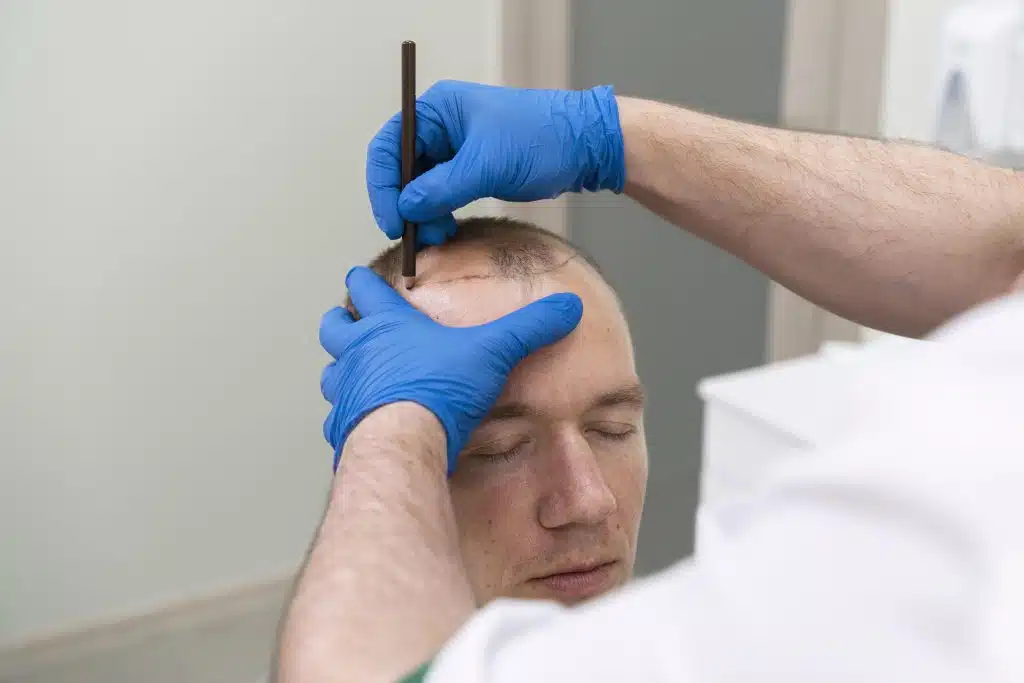
Hair loss affects millions, often causing emotional distress and impacting self-esteem. While surgical procedures exist, many individuals seek less invasive methods to address thinning hair. Hair restoration encompasses a variety of techniques aimed at regrowing hair or slowing loss, and non-surgical options have advanced significantly. These treatments range from oral medications to innovative light therapies, offering hope without the need for incisions or extensive recovery times.
Targeting Causes with Medication
Physicians prescribe various chemical or hormonal interventions to address the biological causes of hair loss; these treatments target underlying issues, such as hormonal imbalances or nutritional deficiencies, to promote a healthier scalp environment for hair restoration. Nutritional supplements can address deficiencies that might contribute to thinning. Anti-androgens, such as finasteride, increase hair growth on the scalp.
Some ingredients present in many common hair restoration treatments include:
- Azelaic acid
- Collagen
- Biotin
- Zinc
Topical medications offer another avenue for treatment. Hair growth-promoting agents are applied directly to the scalp to stimulate follicles; anti-inflammatory or anti-scarring agents help create a healthier environment for hair growth.
Stimulating Growth with Scalp Therapy
Localized treatments administered directly to the scalp can stimulate follicles, and similar treatments provided via specialized equipment may reduce inflammation. These therapies aim to revitalize the scalp environment and encourage hair growth through physical or direct chemical means.
Scalp-directed therapies offer targeted treatment. Steroid injections effectively reduce scalp inflammation, which can hinder hair growth. Low-level laser light therapy utilizes specific wavelengths to stimulate hair follicles, and it may promote hair regrowth.
Other treatments can also directly affect or interact with the scalp to help regrow hair. Medical microperfusion is one method that delivers medication directly into the skin. Microneedling stresses the scalp, and it stimulates the body’s natural healing response.
Repairing Follicles with Biologics
Modern bio-treatments focus on cellular-level restoration to repair and regenerate hair follicles. These therapies harness the body’s natural healing mechanisms, and these processes can combat hair loss and improve hair density. Platelet-rich plasma therapy is another method of this type of treatment as well.
Mesotherapy involves injecting vitamins into the scalp, and the provider can inject enzymes as well. This nutrient-rich cocktail nourishes hair follicles and promotes rejuvenation. Exosomes, which are extracellular vesicles involved in cell communication, may show some promise in treating hair loss due to alopecia.
Identifying Symptoms and Root Causes
Recognizing the early signs of hair loss can help determine if non-surgical restoration is right for you. Individuals experiencing thinning hair, a receding hairline, or widening parts may find these treatments effective. Those who prefer to avoid surgery or have medical conditions that preclude surgical options are excellent candidates for a consultation. Early intervention often yields the best results, so noticing changes in hair density or texture may warrant a consultation.
So they can determine the most effective treatment plan, specialists employ a comprehensive diagnostic process to identify the root cause of thinning. A typical evaluation begins with a thorough review of medical history and lifestyle factors, such as stress levels and genetic predispositions. This is often followed by a physical examination of the scalp using high-resolution magnification; this is known as trichoscopy, and it assesses follicle health and density.
In some cases, providers may order blood panels to check for hormonal imbalances or nutritional deficiencies. They may perform a scalp biopsy, and this can rule out underlying dermatological conditions. A precise diagnosis enables the provider to determine which treatment will be most beneficial and effective for the patient.
Learn More About Hair Restoration
Non-surgical hair restoration offers a diverse range of effective treatments for those experiencing hair loss. Doctors can prescribe oral and topical medications with advanced scalp therapies and regenerative techniques, and many options exist to suit various needs and preferences. If you want to learn more about hair restoration methods, consult a hair restoration provider near you.