

Simpcityforum: The Complete Guide to the Internet’s Fastest-Growing Discussion Hub
December 1, 2025
Paige Fertitta: A Complete Profile of the Philanthropist, Former Celebrity Spouse, and Houston Icon
December 4, 2025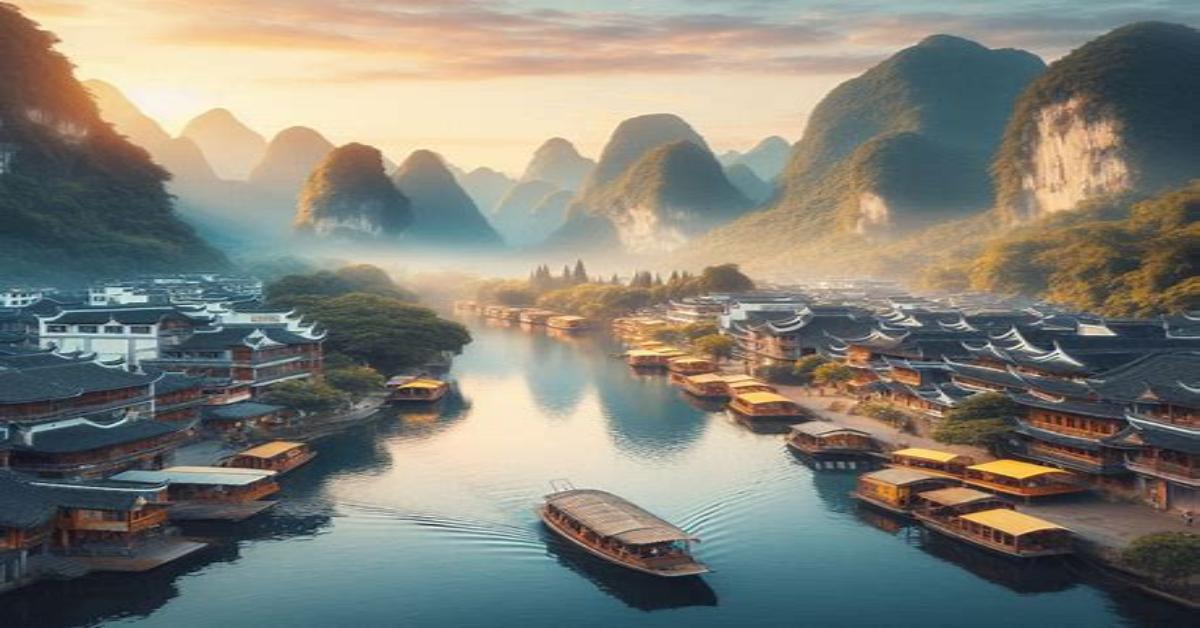
Anheihe has been appearing frequently in travel discussions, cultural blogs, and nature-focused platforms, yet many people still don’t fully understand its depth and timeless charm. Whether it is referenced as a peaceful highland settlement, a wellness escape, a scenic wonder, or even a culinary specialty, anheihe represents far more than just a place—it embodies an entire ecosystem of heritage, biodiversity, and cultural memory. With increasing global curiosity and improved accessibility, this once-hidden region is now emerging as one of the most appealing destinations for travelers seeking authenticity, natural tranquility, and meaningful cultural experiences.
Also Read: simpcityforum/
What Is Anheihe? Understanding Its Meaning and Geographic Roots
The term anheihe has been linked with several well-known regions across China, especially those located near mountain belts, river valleys, and forest-rich territories. Many online sources describe it as a northern treasure near the Heilong River, while others position it deep within China’s highland regions, famous for traditional villages and untouched natural scenery. This dual representation across SERPs highlights its multi-dimensional identity. From a geographical perspective, anheihe symbolizes harmony between earth, water, and community—a theme consistently repeated in travel blogs and cultural essays. Its landscape features rolling green highlands, ribbon-like rivers, dense pine forests, and ancient walking trails that have existed for centuries.
The Cultural Landscape of Anheihe: A Living Museum of Tradition
Cultural heritage remains one of the strongest attractions of this region. This region is often described as a keeper of ancient customs, communal living, and deeply rooted social traditions. From architectural styles crafted with stone and timber to seasonal festivals celebrating ancestral heritage, visitors are constantly surrounded by living traditions. Many communities within this region still practice age-old rituals connected to agriculture, forest preservation, and seasonal changes. Folk music, handcrafted textiles, wood carvings, and traditional tea ceremonies form an essential part of everyday life. These customs are preserved not only for local identity but also as a form of respect for generations that shaped the region. Today, cultural tourism continues to grow as travelers search for meaningful experiences that extend beyond the typical commercialized attractions.
Natural Beauty and Biodiversity
This region stands out due to its unparalleled biodiversity, ranging from forest ecosystems to mountain wildlife habitats. Travel writers frequently describe its landscapes as untouched, serene, and ecologically rich. The area’s elevated terrain contributes to cooler temperatures, making it ideal for long hikes, mountain exploration, and wellness retreats. One of the most celebrated features of this area is its abundant plant and animal species. Rare medicinal plants, unique floral varieties, migratory birds, and river-dwelling species thrive here due to the minimal industrial impact. Nature photographers often rave about the breathtaking sunrise views across valleys and lakes, where soft morning fog blankets the surface like a natural veil. This ecological purity has made this destination a preferred location for sustainable travel and eco-friendly exploration.
Historical Significance
The history of this area stretches beyond visual beauty and cultural charm. Several accounts indicate that early settlers chose this region for its ideal geographic positioning near water sources and protective mountain formations. Over centuries, these communities developed intricate trade routes, agricultural systems, and spiritual practices that shaped the identity of the region. Old stone paths still mark the trails used by ancient merchants, while abandoned watchtowers and shrines tell stories of resilience and transformation. Local legends, frequently narrated during festivals, describe mythical guardians of mountains and rivers, showcasing the deep spiritual connection between people and nature. These stories remain alive through oral traditions, making this one of China’s most historically compelling hidden regions.
Modern Travel Trends
Travel platforms across the UK, US, and Asia have noted a sharp rise in global interest in this destination. The surge is driven by several modern trends:
- Desire for wellness-focused travel: Many people seek destinations that prioritize peace and mental clarity.
- Growing interest in authentic cultural experiences: Travelers want genuine encounters, not staged performances.
- Search for nature-driven escapes: Scenic, untouched landscapes offer relief from urban environments.
- Social media discovery: Images and travel diaries showcasing this region’s beauty attract millions of views.
- Eco-friendly tourism: Travelers want to support regions preserving natural heritage.
These trends highlight the push toward meaningful tourism, and this destination perfectly aligns with the global shift.
Also Read: paula-profit/
Local Cuisine
In addition to culture and geography, the cuisine of this region is a major attraction. Food blogs and culinary writers, including several contributors on Medium, mention a dish known locally for its use of fresh produce, aromatic spices, and traditional cooking methods. This dish is typically enjoyed during communal gatherings and seasonal celebrations. Many ingredients come directly from nearby farms, forests, and rivers, ensuring freshness and authenticity. Visitors frequently describe the flavors as earthy, rich, and deeply satisfying—a reflection of the region’s natural abundance. These culinary traditions play a vital role in preserving the community’s identity and ensuring that historical food practices remain alive.
Top Things to Do
Travelers exploring this area often highlight a variety of experiences that blend nature, culture, and adventure.
- Mountain trekking: Scenic trails offer panoramic views and abundant wildlife encounters.
- Cultural village tours: Visitors can interact with artisans, learn about traditional crafts, and experience local rituals.
- River exploration: Canoeing and riverside walks allow firsthand experience with natural ecosystems.
- Wellness retreats: Meditation centers and hot springs provide relaxation and spiritual rejuvenation.
- Culinary tours: Food tasting, cooking workshops, and traditional feasts connect visitors with the region’s flavors.
These activities ensure that travelers experience all dimensions of the area—from natural beauty to cultural depth.
Eco-Tourism and Sustainability
Sustainability remains a priority for communities and local authorities across the region. The preservation of forests, water bodies, and cultural spaces ensures a long future for tourism without harming the environment. Many eco-lodges emphasize minimal environmental footprint, using recycled materials, solar energy, and organic farming. Travel experts often praise the region as a model of how eco-tourism can coexist with cultural growth. Visitors are encouraged to respect local customs, avoid disrupting wildlife, and support community-run operations. This balance between tourism and preservation helps maintain the magic that has made this area a globally admired destination.
Why Visit This Region
The unique combination of history, nature, culture, and wellness makes this destination an irresistible choice for travelers. Whether one seeks peaceful escapes, spiritual enrichment, mountain adventures, or authentic cultural experiences, this hidden gem offers something for everyone. Its landscapes provide endless cinematic views, its traditions enrich the soul, and its culinary heritage enhances the journey. As global recognition continues to grow, now is the perfect time to explore this extraordinary region before mass tourism transforms its delicate balance.
FAQs About Anheihe
1. Where exactly is anheihe located?
It is commonly described as being in northern or highland regions of China, near mountain areas and significant river systems.
2. Why is anheihe popular among eco-travelers?
Its untouched landscapes, biodiversity, and sustainable tourism practices make it ideal for nature-focused trips.
3. Is anheihe culturally significant?
Yes, it preserves ancient traditions, festivals, crafts, and community rituals that reflect centuries of heritage.
4. What is the best time to visit anheihe?
Spring and autumn are considered ideal due to mild weather and vibrant natural scenery.
5. Is anheihe suitable for family travel?
Absolutely. Its peaceful environment, safe trails, and cultural attractions make it a wholesome destination.
Conclusion:
Anheihe is more than a geographic location—it is a sanctuary of natural beauty, cultural richness, and historical depth. The region offers an uncommon blend of scenic wonders and authentic experiences that modern travelers treasure. From its biodiversity to its ancient traditions, every element contributes to its timeless harmony. With responsible tourism on the rise and increasing global awareness, anheihe is set to become one of the world’s most cherished destinations for nature lovers, cultural explorers, and wellness seekers alike.