Crafting Personalized Digital Experiences in Wealth Management
February 5, 2026
How Dermatologists Address Aging Skin Concerns
February 10, 2026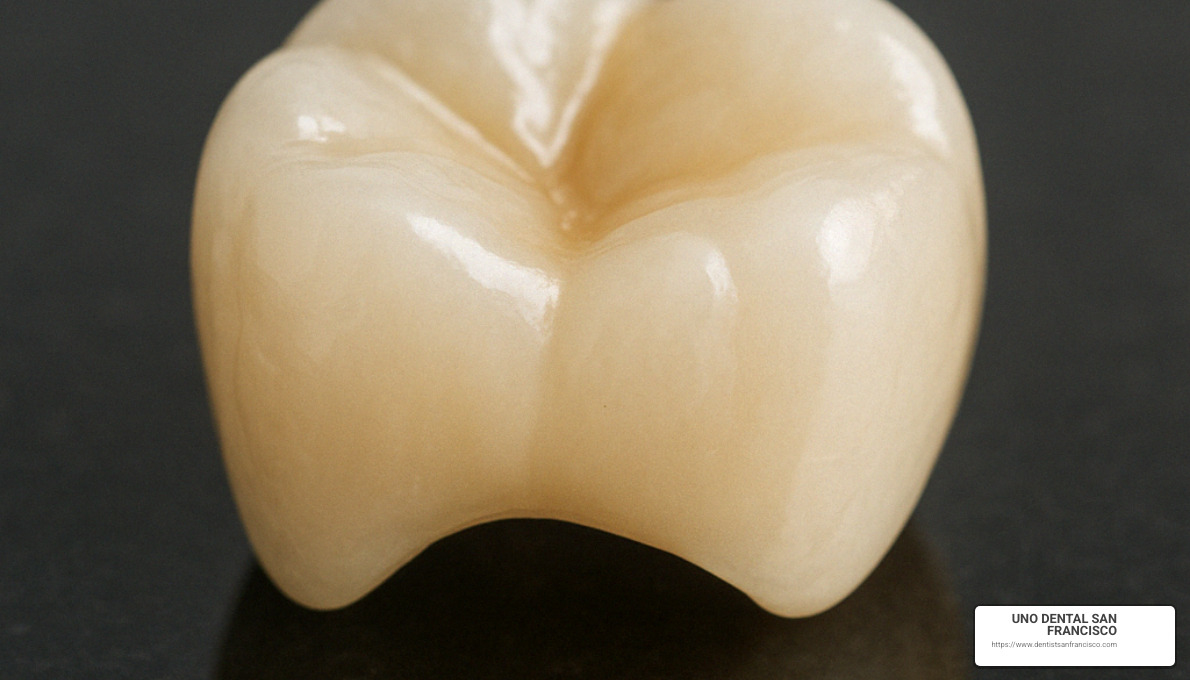
A tooth’s hard, protective outer layer, known as enamel, can become compromised. This can leave the sensitive interior of the tooth exposed. Dental crowns offer a durable solution to restore damaged or decayed teeth. They provide both protection and an improved appearance for an individual’s smile. This article explains what a dental crown is, what to expect during the procedure; how to properly care for one afterward.
Defining a Dental Crown
Crowns serves as a cap for a tooth. A dentist can place a crown to restore the tooth’s original shape; this provides a strong, protective covering for the underlying structure. The crown is custom-created to perfectly match the other teeth. A person might need a crown for several reasons; a dental professional can make the final determination. Situations that may require a crown include addressing a misshapen tooth, supporting a large filling that weakens the tooth, or protecting a tooth that is weak from damage or decay; additionally, crowns are used with dental implants and after root canal procedures to fortify the tooth.
Expecting the Procedure
Getting a crown is a two-step process. This multi-step approach is necessary because a provider must first prepare the tooth and then create a crown that is tailored to match the exact size, shape, and color of the surrounding teeth. During the initial appointment, a dentist examines the tooth; if they find extensive decay, they may recommend a root canal to clean out the damaged part before proceeding. If a root canal is not needed, the dentist prepares the tooth for the crown by filing it down on all sides, a process which is done under local anesthetic so the patient does not feel discomfort. This preparation allows the crown to fit over the tooth while still lying flush with adjacent teeth.
Following the tooth preparation, the dentist takes measurements of the prepared tooth. These measurements are used to create a perfectly fitting permanent crown. The patient goes home with a temporary crown; this protects the prepared tooth while the permanent restoration is being made. Once the permanent crown is ready, the individual returns for a second appointment where the provider checks the fit and appearance before cementing it into its final position.
Caring for Crowns
Proper care for a dental crown is helpful. This care helps maintain its lifespan, which can range from five to fifteen years with the right maintenance. To take care of a crown, one should practice good oral hygiene; one should also avoid activities that might cause damage. Potentially harmful activities include grinding teeth, biting fingernails, or using teeth to open things, so a person should be mindful of these habits after receiving a crown. Simple, consistent oral hygiene routines and avoiding undue stress on the restoration will contribute significantly to its longevity and effectiveness over the years.
Find a Clinic
Dental crowns provide a robust solution for restoring the shape and protection of damaged teeth. The treatment involves a careful two-step process; the result is a custom-fitted cap that matches the natural dentition. Proper maintenance is helpful for longevity, so patients should avoid damaging behaviors like grinding teeth while maintaining hygiene routines. This helps the crown last five to fifteen years. Find a clinic near you.