

Tips for Wearing Mixed Metals Jewelry
December 23, 2025
Benefits of Modern Window Tinting for Vehicles
December 28, 2025
Key Takeaways:
- Answer Engine Optimization (AEO) is becoming essential as AI-driven search tools like ChatGPT and Google Gemini gain popularity.
- Traditional SEO strategies are evolving to accommodate the rise of zero-click searches and AI-generated responses.
- Businesses must adapt their content to align with natural language queries and provide direct, concise answers to user questions.
Introduction
The digital world is rapidly evolving, and AI-powered search engines are at the forefront of this transformation. Increasingly, users expect quick, accurate answers to their questions without the need to sift through multiple search results. This shift has led to the rise of Answer Engine Optimization (AEO), an approach focused on helping content surface as direct responses in AI-driven search environments. Service providers like Victorious’s AEO Services now play a pivotal role for organizations seeking to remain highly visible in this new search paradigm.
As AI becomes increasingly central to how we access information, traditional methods for attracting organic traffic are being challenged. Businesses and marketers are under increasing pressure to optimize their content not just for search engines but specifically for AI engines that interpret and deliver answers to users. Understanding and implementing AEO ensures content remains discoverable and influential in a landscape where zero-click searches are the new normal.
The Rise of AI in Search
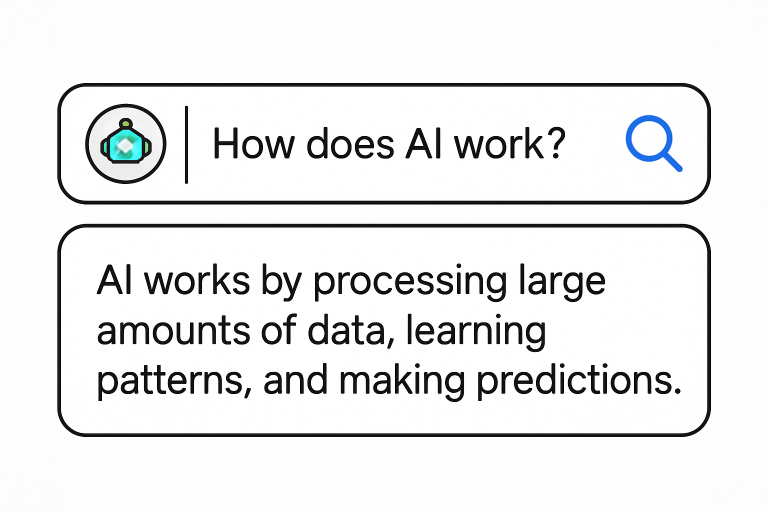
With AI-powered tools like ChatGPT and Google Gemini leading the way, search engine algorithms are moving away from presenting endless blue links. Instead, they generate answers in real time, pulling from a deep pool of structured data and conversational content. These advances mean users increasingly rely on information delivered directly in search results frequently without navigating to a website, marking a significant departure from the click-based ecosystem that defined earlier generations of search.
This behavior, known as zero-click searching, has been on the rise. According to a report from Search Engine Land, nearly 60% of Google searches in 2024 ended without the user clicking any result. As search experiences become more instant and voice-activated searches become more common, the need for AEO will continue to grow.
Understanding Answer Engine Optimization
Answer Engine Optimization is the practice of formatting and structuring content so that AI-driven search engines easily understand it. Unlike traditional SEO, which focuses on keywords, backlinks, and metadata, AEO requires a shift toward question-based, conversational content. It’s about understanding how users phrase their queries and ensuring your content directly addresses their intent with clarity and authority.
Content that is segmented into logical sections and features concise, easy-to-digest answers is more likely to be recognized and surfaced by AI. Using structured data and schema markup further increases the likelihood that AI engines will identify your content as the best answer to user queries. This broadens your reach to audiences using search interfaces that don’t rely on traditional browser-based navigation.
Impact on Traditional SEO Practices
The emergence of AEO presents significant challenges for legacy SEO strategies. Where once ranking on the first page of Google was the gold standard, today’s measure of success is that content must now serve as the direct answer to complex, natural language queries. This is particularly true for industries where users seek quick, authoritative responses.
Businesses can no longer rely solely on keyword stuffing or backlink building. In the age of AI, it’s essential to anticipate user questions, sometimes even before they are typed, and supply precise, authoritative answers that answer engines can easily extract. Companies that fail to adapt risk losing visibility as users increasingly choose information delivered straight from the search interface and voice-controlled devices.
Strategies for Effective AEO
- Focus on User Intent: Successful AEO starts with a deep understanding of the specific questions and problems your target audience is trying to solve. Use tools like Google’s People Also Ask and forums like Reddit or Quora to identify common queries.
- Use Structured Data: Schema markup provides critical context, helping AI systems interpret the subject and scope of your content. Structured data facilitates inclusion in rich answer snippets and voice search results.
- Optimize for Conversational Queries:Write content that resembles natural, spoken language. Short paragraphs, bullet points, and Q&A formats make your information easy for AI engines to scan and serve as direct answers.
- Ensure Content Authority: Cite credible references and provide well-researched, accurate information. AI tools prioritize data from established, trustworthy sources, so building topical authority is crucial for lasting AEO gains.
Case Studies: Successful AEO Implementation
Forward-thinking brands are already reaping the rewards of AEO adoption. For example, a national legal services provider improved their client engagement by restructuring FAQ pages into conversational Q&A formats and embedding structured data. Within a few months, their answers began appearing consistently in Google’s featured snippets and as direct responses in AI chat tools, resulting in a 30% increase in qualified leads.
Another success story involves a digital marketing firm that taught its writers to anticipate specific client pain points. By systematically answering these questions and citing recognized authorities, they boosted their content’s chances of being chosen as the definitive answer, ultimately driving significant increases in exposure and organic site interactions.
Future Trends in AEO
- Integration with Voice Search: As more users turn to voice-activated assistants for answers, optimizing content for spoken queries will become even more critical.
- Enhanced Personalization: AI engines are increasingly tailored to individual user preferences, taking into account factors such as previous searches and location to deliver more relevant answers.
- Increased Emphasis on Authority:Search algorithms will continue to prioritize content from experts and authoritative sources, making credibility and citations more important than ever.
According to Forbes, the trend toward instant, AI-driven answers is only expected to accelerate, making adaptability and innovation crucial for any content strategy.
Conclusion
The shift toward AI-driven search marks a defining moment for digital marketers and businesses. Embracing answer engine optimization is not just a way to sustain your site’s visibility; it’s key to thriving in a landscape increasingly defined by zero-click, answer-first search experiences. By focusing on user intent, structuring content for machine comprehension, and establishing your expertise, you’ll ensure your brand stands out as the trusted choice in a competitive and ever-evolving online environment.